1 / 6
+1
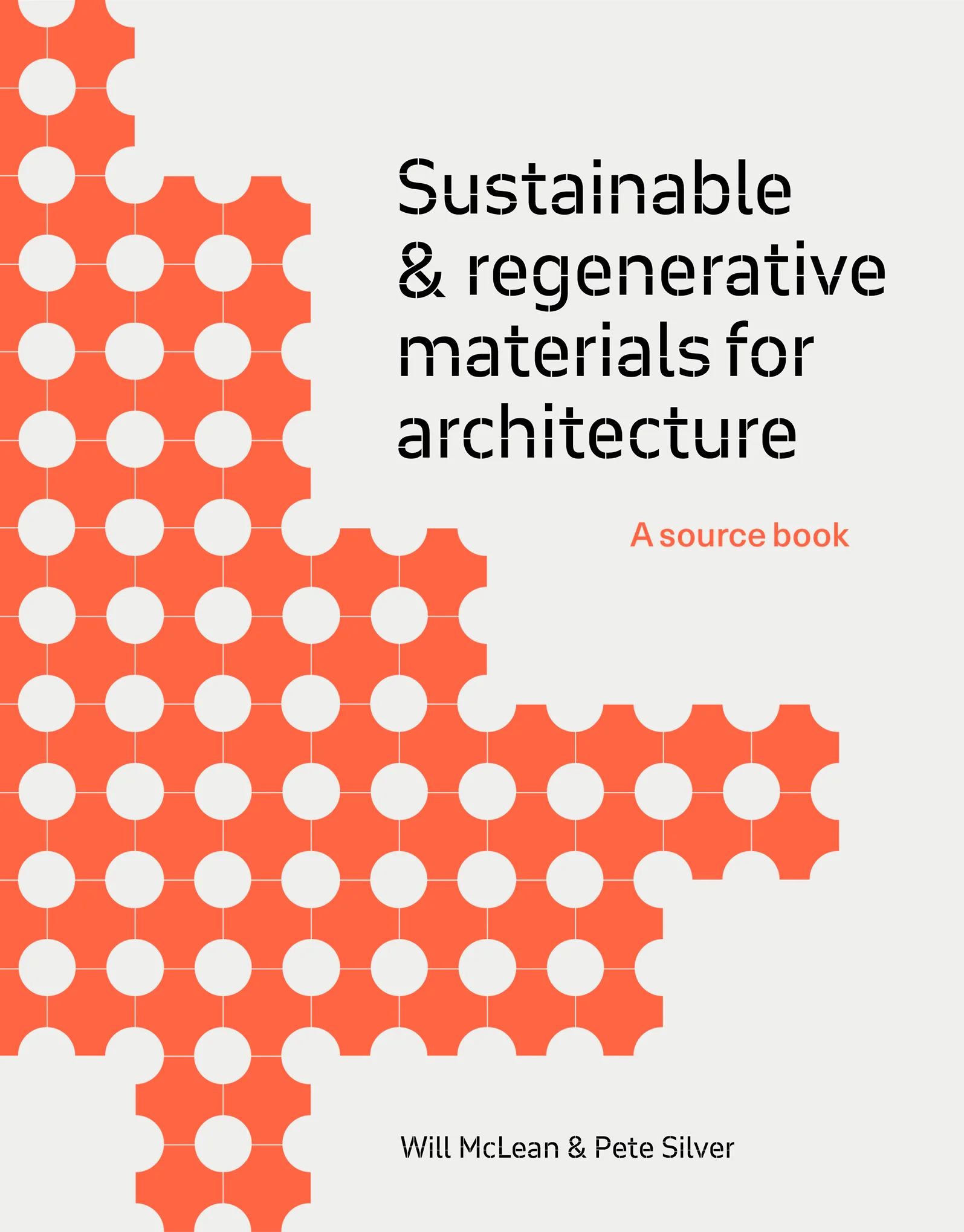
Sustainable and Regenerative Materials for Architecture
Architects! Lead the change in responsible and creative material use.
There is a creative explosion of work taking place in architecture and design schools exploring materials such as mycelium, clay/earth, engineered timber, bio-based plastics and algae. This handbook of low- and no-carbon materials for architects and designers focuses on sustainable materials, their sourcing, technical properties and the processes required for their use in architecture.
The book showcases new and rediscovered processes for material fabrication, responsible sourcing and creative material design. Material properties (structural, thermal, fire, health and life safety) are described and case studies from around the world illustrate the inventive ways in which these materials have been deployed in the built environment. The book is designed as an introduction to the exciting and rapidly changing world of construction materials.
With a better understanding of the social, environmental and economic sustainability of any given material - alongside its technical properties - students of architecture can lead the change in responsible and creative material use.
CONTENTS
1 Materials overview
2 Extractive materials:
earth and clay
concrete
stone
metals
glass
3 Grown materials:
timber and cork
paper
hemp
bamboo
seaweed
mycelium
algae
biopolymers
wool
There is a creative explosion of work taking place in architecture and design schools exploring materials such as mycelium, clay/earth, engineered timber, bio-based plastics and algae. This handbook of low- and no-carbon materials for architects and designers focuses on sustainable materials, their sourcing, technical properties and the processes required for their use in architecture.
The book showcases new and rediscovered processes for material fabrication, responsible sourcing and creative material design. Material properties (structural, thermal, fire, health and life safety) are described and case studies from around the world illustrate the inventive ways in which these materials have been deployed in the built environment. The book is designed as an introduction to the exciting and rapidly changing world of construction materials.
With a better understanding of the social, environmental and economic sustainability of any given material - alongside its technical properties - students of architecture can lead the change in responsible and creative material use.
CONTENTS
1 Materials overview
2 Extractive materials:
earth and clay
concrete
stone
metals
glass
3 Grown materials:
timber and cork
paper
hemp
bamboo
seaweed
mycelium
algae
biopolymers
wool
Architects! Lead the change in responsible and creative material use.
There is a creative explosion of work taking place in architecture and design schools exploring materials such as mycelium, clay/earth, engineered timber, bio-based plastics and algae. This handbook of low- and no-carbon materials for architects and designers focuses on sustainable materials, their sourcing, technical properties and the processes required for their use in architecture.
The book showcases new and rediscovered processes for material fabrication, responsible sourcing and creative material design. Material properties (structural, thermal, fire, health and life safety) are described and case studies from around the world illustrate the inventive ways in which these materials have been deployed in the built environment. The book is designed as an introduction to the exciting and rapidly changing world of construction materials.
With a better understanding of the social, environmental and economic sustainability of any given material - alongside its technical properties - students of architecture can lead the change in responsible and creative material use.
CONTENTS
1 Materials overview
2 Extractive materials:
earth and clay
concrete
stone
metals
glass
3 Grown materials:
timber and cork
paper
hemp
bamboo
seaweed
mycelium
algae
biopolymers
wool
There is a creative explosion of work taking place in architecture and design schools exploring materials such as mycelium, clay/earth, engineered timber, bio-based plastics and algae. This handbook of low- and no-carbon materials for architects and designers focuses on sustainable materials, their sourcing, technical properties and the processes required for their use in architecture.
The book showcases new and rediscovered processes for material fabrication, responsible sourcing and creative material design. Material properties (structural, thermal, fire, health and life safety) are described and case studies from around the world illustrate the inventive ways in which these materials have been deployed in the built environment. The book is designed as an introduction to the exciting and rapidly changing world of construction materials.
With a better understanding of the social, environmental and economic sustainability of any given material - alongside its technical properties - students of architecture can lead the change in responsible and creative material use.
CONTENTS
1 Materials overview
2 Extractive materials:
earth and clay
concrete
stone
metals
glass
3 Grown materials:
timber and cork
paper
hemp
bamboo
seaweed
mycelium
algae
biopolymers
wool
$46.56
Sustainable and Regenerative Materials for Architecture—
$46.56
Description
Architects! Lead the change in responsible and creative material use.
There is a creative explosion of work taking place in architecture and design schools exploring materials such as mycelium, clay/earth, engineered timber, bio-based plastics and algae. This handbook of low- and no-carbon materials for architects and designers focuses on sustainable materials, their sourcing, technical properties and the processes required for their use in architecture.
The book showcases new and rediscovered processes for material fabrication, responsible sourcing and creative material design. Material properties (structural, thermal, fire, health and life safety) are described and case studies from around the world illustrate the inventive ways in which these materials have been deployed in the built environment. The book is designed as an introduction to the exciting and rapidly changing world of construction materials.
With a better understanding of the social, environmental and economic sustainability of any given material - alongside its technical properties - students of architecture can lead the change in responsible and creative material use.
CONTENTS
1 Materials overview
2 Extractive materials:
earth and clay
concrete
stone
metals
glass
3 Grown materials:
timber and cork
paper
hemp
bamboo
seaweed
mycelium
algae
biopolymers
wool
There is a creative explosion of work taking place in architecture and design schools exploring materials such as mycelium, clay/earth, engineered timber, bio-based plastics and algae. This handbook of low- and no-carbon materials for architects and designers focuses on sustainable materials, their sourcing, technical properties and the processes required for their use in architecture.
The book showcases new and rediscovered processes for material fabrication, responsible sourcing and creative material design. Material properties (structural, thermal, fire, health and life safety) are described and case studies from around the world illustrate the inventive ways in which these materials have been deployed in the built environment. The book is designed as an introduction to the exciting and rapidly changing world of construction materials.
With a better understanding of the social, environmental and economic sustainability of any given material - alongside its technical properties - students of architecture can lead the change in responsible and creative material use.
CONTENTS
1 Materials overview
2 Extractive materials:
earth and clay
concrete
stone
metals
glass
3 Grown materials:
timber and cork
paper
hemp
bamboo
seaweed
mycelium
algae
biopolymers
wool